Bitcoin Mining Hosting: The Complete ASIC Hosting Guide

Want to mine Bitcoin with your own ASIC, but don’t have the setup to run it at home? Mining hosting means entrusting your ASIC to an operator that provides the operating environment: power supply, network connection, cooling and technical services, depending on the offer.
In the classic model, you own the hardware and pay for it to run in a mining farm. You delegate on-site work, but you still have a project to fund and results to track.
Getting started therefore means preparing the ASIC, its hosting and its budget together. Here is how these pieces fit, followed by the steps that take you from project to first start-up.
How does ASIC hosting work?
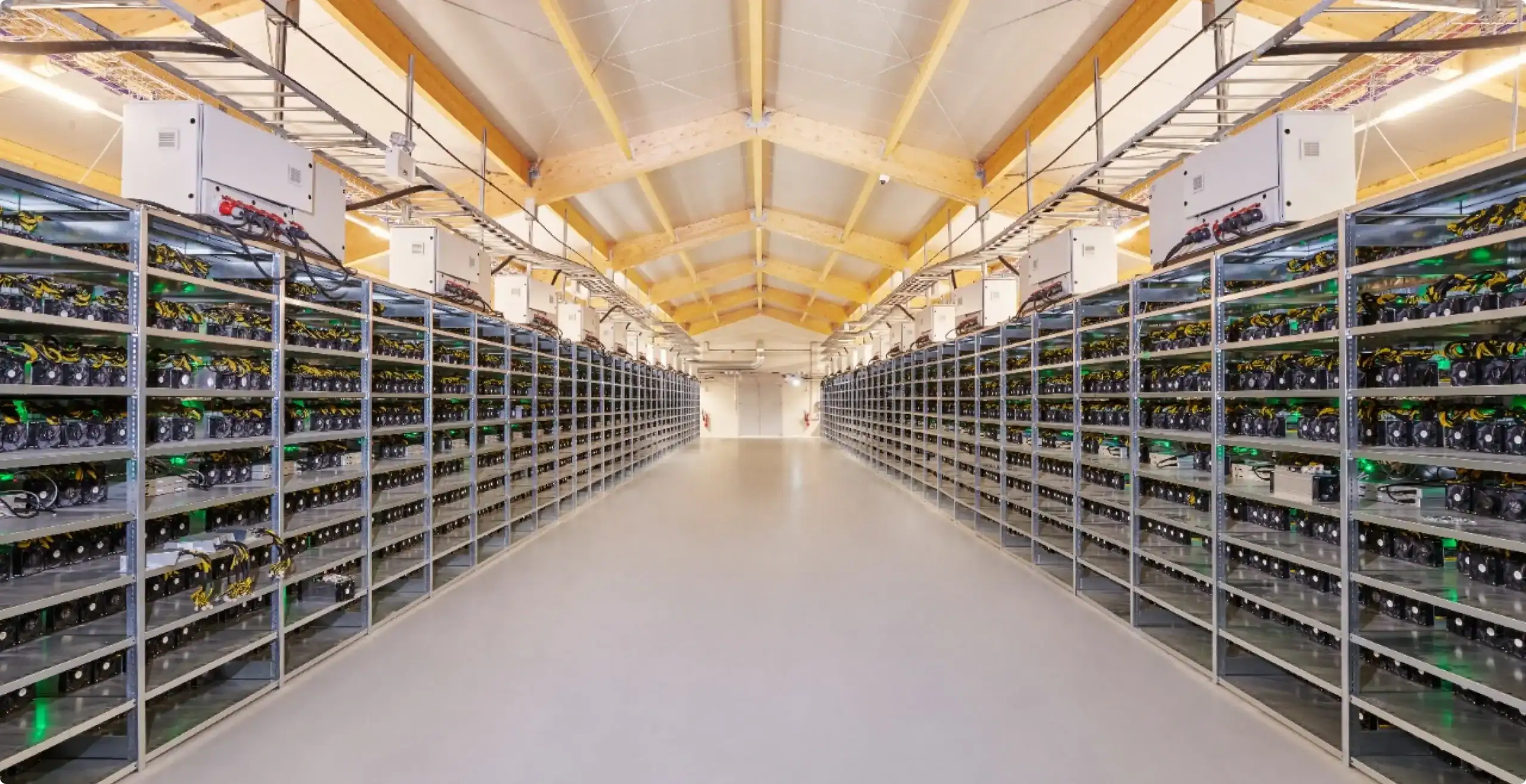
An ASIC is hardware built for a single type of computation. In Bitcoin mining, it supplies the computing power used to take part in the search for blocks. ASIC hosting, also called mining colocation, lets you install it in infrastructure run by a third party.
To understand how it works, separate three parties:
| Party | Its role | What you need to clarify |
|---|---|---|
| The owner | Funds the hardware and its operation. | ASIC identification, proof of ownership and retrieval terms. |
| The host | Runs the site and provides the services set out in the contract. | Installation, monitoring, maintenance and allocation of costs. |
| The mining pool | Combines miners’ work and pays them according to its rules. | Account used, fees, payout method and payout conditions. |
The ASIC communicates with the pool it is configured to contribute to. The pool records the work supplied and applies its reward system. Payouts then go to the Bitcoin address defined by the configuration and the service rules. The Bitcoin developer guide on mining explains this distinction between the work done by the hardware and the distribution of revenue by pools.
Your wallet is where you receive and manage your BTC. So check the payment flow and the access you have, even when installation and configuration are handled by the host.
Hardware ownership also separates classic hosting from an offer that only sells computing power. Before committing, check exactly what you are buying: an identifiable ASIC or a contractual right to a share of production.
What you delegate and what stays with you
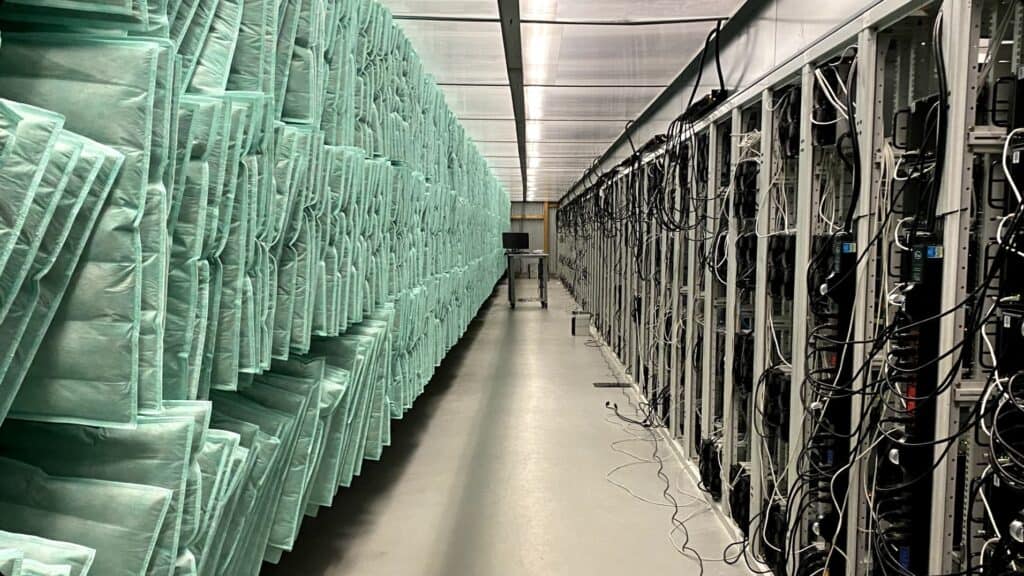
Hosting moves the physical constraints to the farm: powering the hardware, removing the heat, connectivity and on-site interventions. You no longer have to fit out that environment at home.
What the service includes still needs to be spelled out. Remote monitoring, a reboot and a repair with parts replaced are different services. Some may be included, others billed separately. Site security and liability in the event of an incident are also points to document.
On your side, you keep funding the costs, tracking the ASIC’s activity and deciding how to manage the BTC you receive. You also need to know who to contact when a discrepancy shows up in the monitoring or on an invoice.
Whether hosting makes sense therefore depends on your situation and the offer you choose. For a closer look at the constraints of mining at home, your electricity price and the services a farm provides, read our article on mining at home versus hosting your ASIC.
What budget should you plan before starting?
The purchase price of the ASIC is only part of the budget. To prepare your project, separate launch costs, running costs and the fees that may arise during the contract.
| Cost item | What to plan for or check |
|---|---|
| Purchase and deployment | ASIC, shipping, any import fees and installation. |
| Day-to-day operation | Electricity, hosting services, recurring maintenance and pool fees, depending on the offer. |
| Interventions and exit | Diagnostics, parts, repair, removal or return of the hardware when these costs fall on you. |
Not every one of these costs applies to every offer. The goal is to know which are included in the quote and which you will need to fund separately.
Calculating an energy cost
For a constant average power draw, the calculation is simple:
Energy consumed in kWh = power in kW × operating hours.
Multiply this consumption by the price per kWh to get the corresponding cost.
Take an entirely fictional example: an ASIC drawing 3,000 W, or 3 kW, runs without interruption for 30 days at $0.07 per kWh.
- Consumption: 3 × 24 × 30 = 2,160 kWh.
- Energy cost: 2,160 × 0.07 = $151.20.
These illustrative assumptions, set on September 15, 2026, do not describe any Startmining offer. The result covers energy only at the assumed rate, excluding all other fees. With a variable power draw or downtime, adapt the calculation to actual conditions and to the billing method.
Separating running costs from paying back the hardware
The value of the BTC produced should first be set against operating costs. A positive margin then helps cover the initial investment: purchase, delivery and deployment.
So keep production, running costs and recovery of the investment apart. The price per kWh alone does not tell you the payback period.
The Startmining calculator helps you build project assumptions. Use it to test several market and operating conditions, checking which fees each scenario includes. A simulation remains a conditional estimate.
Steps to put your first ASIC into service
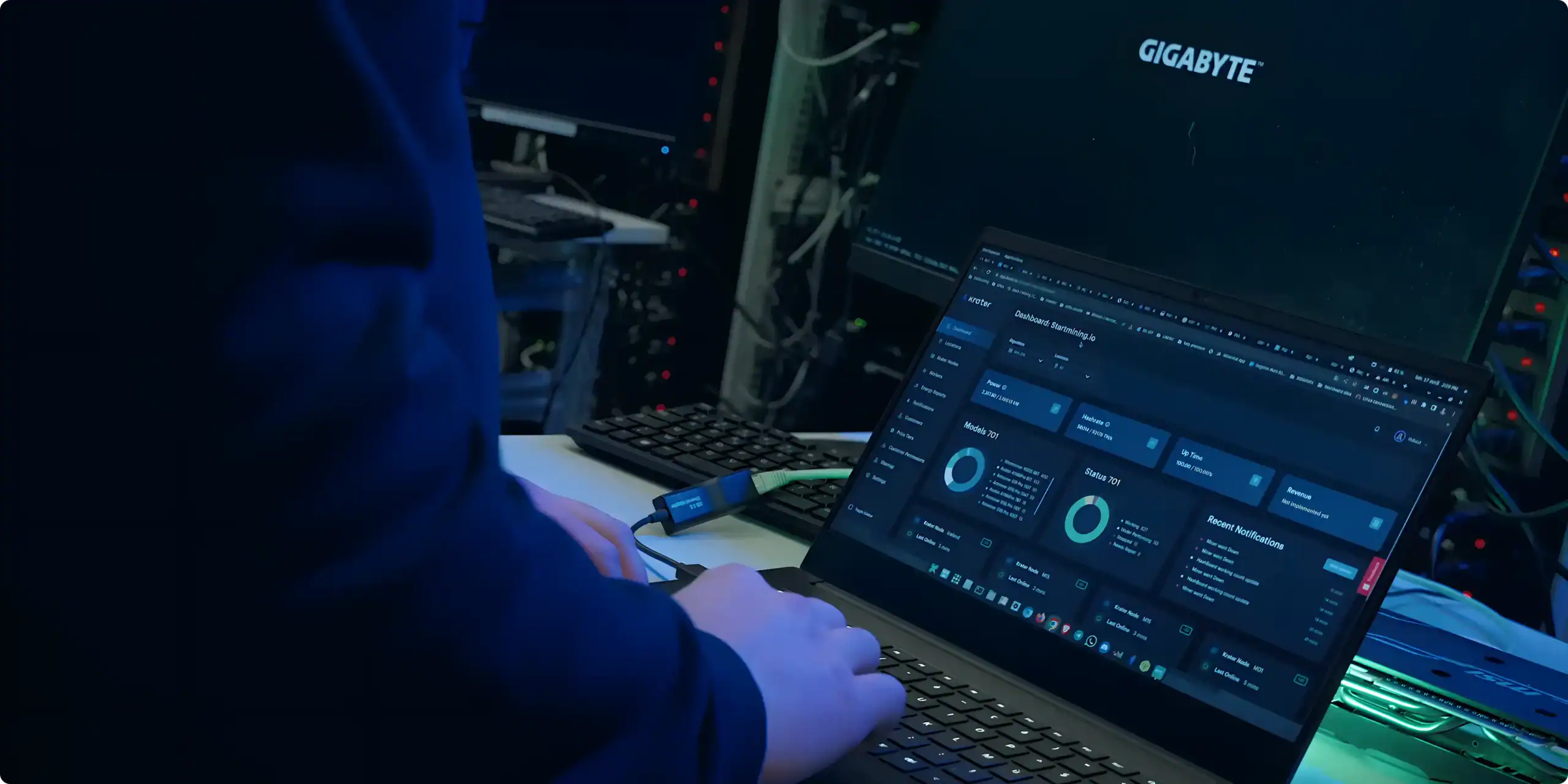
Deployment ties together three things: an ASIC compatible with the site, agreed operating conditions and a configuration that lets you track mining. Here is how to prepare each step.
1. Define your project and check compatibility
The ASIC model, its cooling method and its power draw determine what is needed to host it. The host must therefore know which hardware you have in mind before confirming it can run it.
Whether you already own the ASIC or plan to buy it, send its model, the quantity and whether it is new or used. Add your budget and preferred timeline: compatibility must be confirmed before you buy or ship.
2. Review the offer and cost out several scenarios
The quote turns your project into concrete terms: included services, billing method and possible extra fees. You should be able to map it to the budget items prepared above.
To analyze the differences between providers, use our guide to comparing ASIC hosting offers. The ASIC Hosting Score then gives you a structure for a more in-depth assessment.
3. Validate the documents and arrange shipping
Your ASIC can be shipped from its current location or delivered after purchase, depending on what has been agreed. The documents must link the hardware received to your order and establish who covers each leg of transport.
Before shipping, agree with the provider on the destination, the receiving procedure and responsibilities. Also keep your proof of ownership and the conditions for retrieving the hardware. Our article on mining hosting contract clauses details the commitments to review.
4. Prepare the mining configuration and payouts
The configuration connects the ASIC to the mining pool and identifies its contribution. Monitoring access and the Bitcoin receiving address must be set according to how the service is organized.
At this stage, get written confirmation of the pool used, the payout rules (fees, any minimum threshold and frequency) and who is authorized to change the configuration. You will then know where to view activity and how your BTC will be paid out.
5. Check the start-up
A delivered ASIC is not necessarily producing yet: it has to be installed and configured. Start-up is then confirmed in the monitoring you have access to, through the ASIC’s identifier and its computing activity.
Hashrate is the computing power of the ASIC. Seeing it appear in the monitoring helps confirm that the ASIC is actually working. Match this activity against the start-up confirmation and the billing start date set in the contract.
6. Track the first results
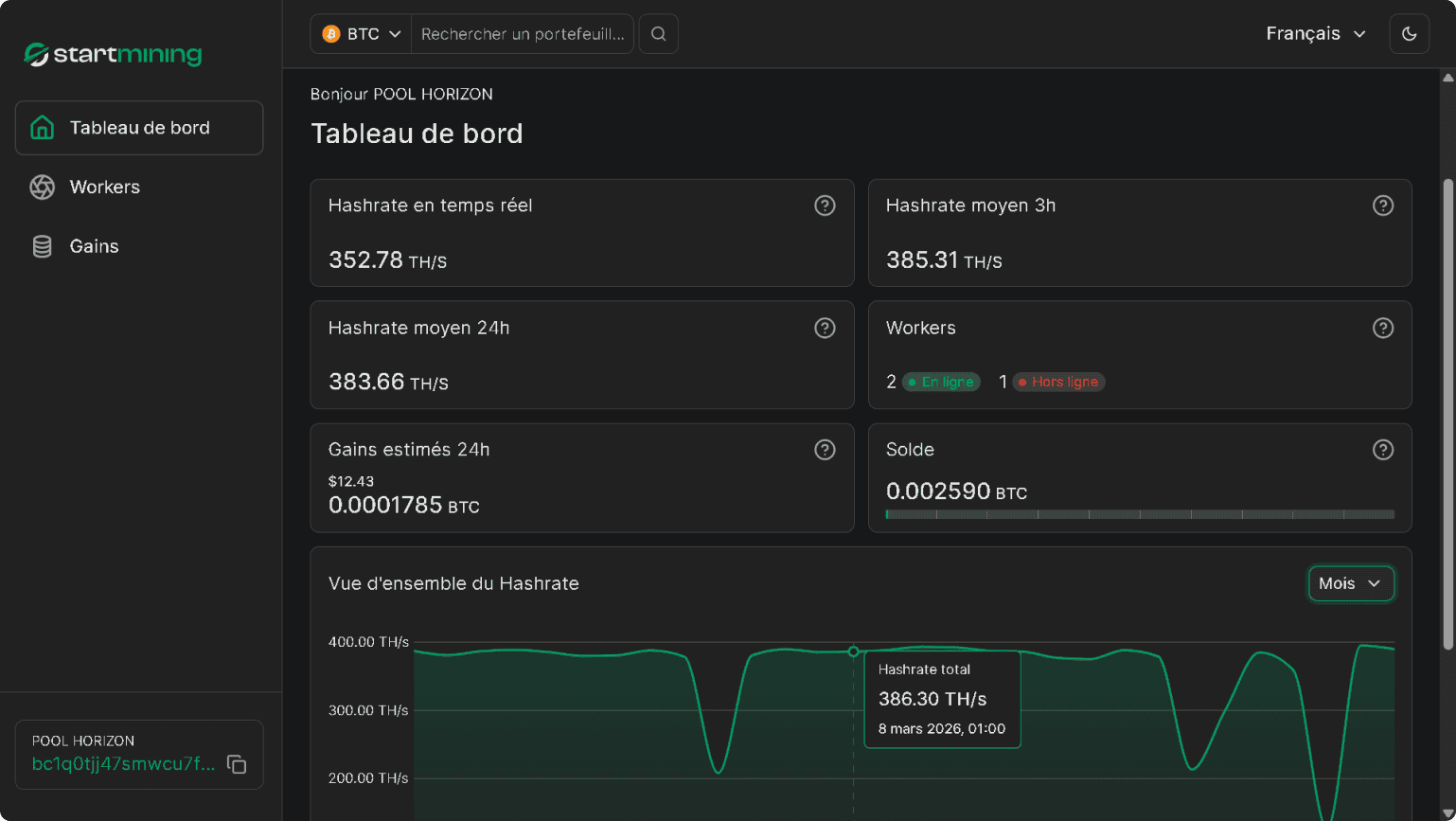
ASIC activity, BTC credited and invoices describe three complementary sides of the project. Reviewing them together shows what was produced and what operations cost over the same period.
If something does not add up, note the dates involved and reach out to the person designated for your account. They can help you tell an operational incident from a payout delay or a billing question.
Keep these reference points in your project file:
| Step | Reference to keep |
|---|---|
| Compatibility | Model, quantity and confirmation of acceptance. |
| Offer | Quote, included services and possible extra fees. |
| Shipping | Hardware identification, destination and receipt. |
| Configuration | Pool, receiving address, payout rules and access. |
| Start-up | Visible activity and billing start date. |
| Monitoring | Production, costs and technical contact. |
What risks should you monitor once your ASIC is hosted?
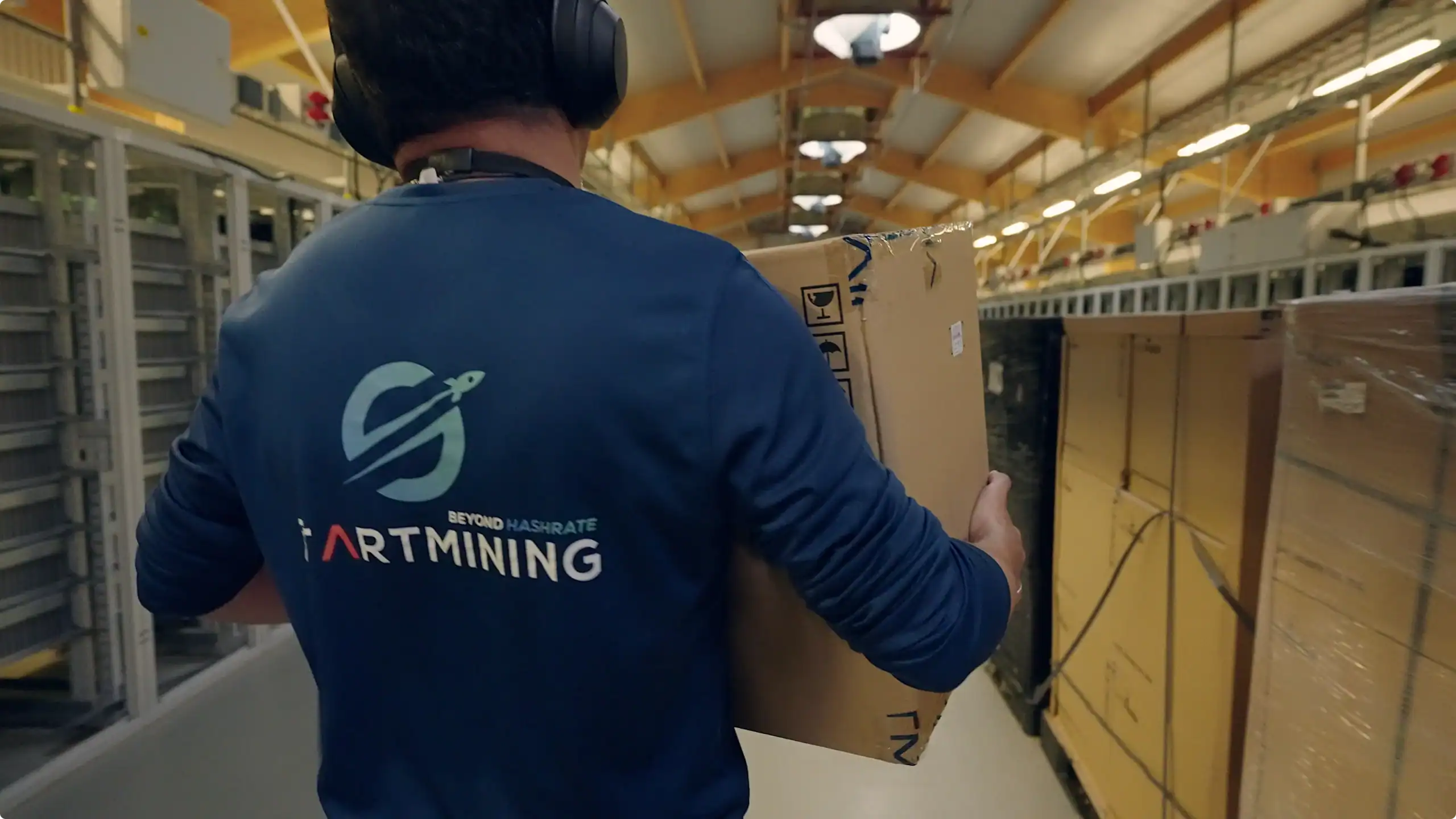
A failure, a power outage or a technical intervention can stop production. Monitoring lets you identify these events, and the contract sets out liability and applicable fees.
Understanding revenue swings
The amount of BTC credited depends in particular on the work your ASIC actually performs, network conditions and the pool’s reward system. At the same computing power and running time, a rise in Bitcoin difficulty lowers expected production, all else being equal: more computation is needed, on average, to find a block. This mechanism is described in the Bitcoin documentation on proof of work.
The value of that production in dollars or euros then depends on the BTC price. The same amount of bitcoin can therefore mean different revenue in fiat terms. To track your project, always keep BTC produced, its value and operating costs apart.
Linking uptime and costs
Uptime, or availability, tells you how long the ASIC is operational. Its economic effect also depends on the costs still owed during downtime. If revenue no longer covers avoidable running costs, stopping can limit losses, subject to the contract terms.
Early payouts therefore guarantee neither the same revenue in the following months nor that the purchase will be paid back. Tracking invoices, activity and payout rules stays useful for as long as the ASIC runs.
Prepare your hosting project with Startmining
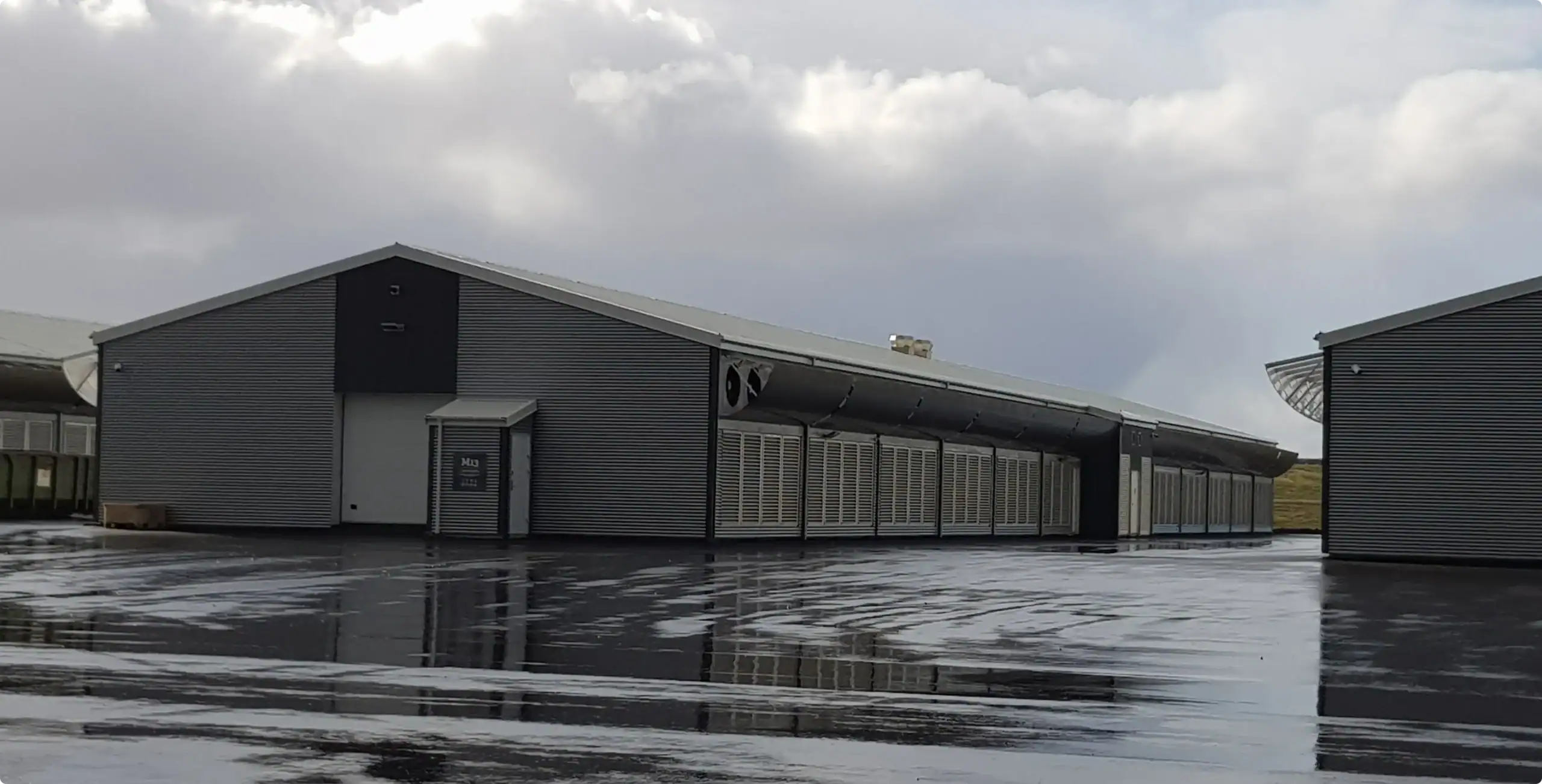
Have you picked out an ASIC, or do you already own one? Gather its model, the quantity, your budget and your preferred timeline to prepare your conversation with our team.
Explore our infrastructure and hosting services, then let’s discuss the hosting and operating conditions that suit your project.
Passez à l'action
Ready to mine Bitcoin with Startmining?
Browse our ASIC shop or simulate your profitability in real time.